Wednesday, September 24, 2008

CRS 231 Blog #4 Ethnic Influences on Apparel Design

Ethnicity refers to the ethnic traits, background, allegiance, or association that someone identifies with in their specific ethnic group. Members of an ethnic group use symbols as badges to identify or emphasize their distinct background from other ethnic groups. Language, religion, and style of dress are common ethnic symbols.

Ethnic groups may emphasize with their ethnic symbols, to identify with their dominant culture. Some people may prefer to speak their native language, even while living in the U.S. because it makes them feel close to home and it is a way to stay true to their culture. Where as other immigrants living in the U.S. may chose to speak English, as to not distinguish themselves from the majority of the population.

Clothing styles vary among the different ethnic groups. This could be due to a difference in cultural beliefs or in traditional values. Below are some examples of different ethnic groups. One can see the variation of clothing due to the traditional life style routines, and to the religious festivals.

Filipino Americans are of Philippine ancestry. The Filipino American community is the second largest Asian American subgroup and the largest Southeast Asian American group. More than half of the community are naturalized and American-born, while the remainder are Filipino nationals, and citizens of both the Philippines and the U.S. Filipino Americans loves to put on celebrations. A family will host up to a dozen occasions a year, for events such as baptisms, birthdays, funerals, holidays, showers, weddings, etc. Celebrations include festivities such as large buffets of traditional Filipino food and beverages.


The Vietnamese people are an ethnic group that originated from what is today northern Vietnam and southern China. They are the majority ethnic group of Vietnam, totalling 86% of the population. They distinguish themselves as the Kinh. The earliest recorded name for the ancient Vietnamese people was known as the Lac peoples.


The culture of Saudi Arabia has been shaped by its Islamic heritage, its historical role as an ancient trade center, and its Bedouin traditions. Saudi society has taken their values, traditions, customs, hospitality and style of dress, and has adapted them to suit the modern changes of the world. Saudi traditions are rooted in Islamic teachings and Arab customs, which are learned at an early age from families and in schools. An important time of the year is the holy month of Ramadan. During this time, Muslims fast from dawn to dusk, and during the Eid-Al-Fitr holiday, it is custom to buy and present clothes to children, and visit friends and relatives. Arab traditions play an important role in Saudi life. These custom traditions have evolved over time. They include generosity and hospitality, when every Saudi family offers to strangers, friends, and family. The most simple display of hospitality is coffee, its preparation alone is an intricate cultural tradition, and is served in small cups along with dates and sweets. Another gesture of hospitality is the burning of incense to welcome guests.

RCS 362 Blog #4: Flat Earth Positioning

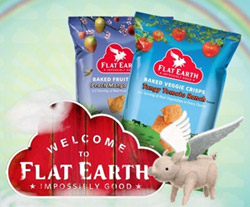
Flat Earth's slogan is "When Pig's Fly," or in other words when the impossible happens. The company combines the "impossible" combination of nutritious and delicious together in a new healthy chip which consists of half a serving of fruits, vegetables, vitamins, and other healthy ingredients in every ounce. Flat Earth's chips are appealing for a child's appetite because they come in creative and fun flavors such as Apple Cinnamon Grove, Peach Mango Paradise, Wild Berry Patch, Garlic and Herb Field, Farmland Cheddar, and Tangy Tomato Ranch. Flat Earth's logo is a flying pig, something fun and entertaining for a kid to think about while eating their chips.

I agree with the targeting because Flat Earth's funny logo of a flying pig engages a youthful audience. Once kids see the commercial they will want to try this new kind of chip, which is only a big plus for the parent's because their child will want this healthy new treat, instead of other greasy and fattening foods.

I think the commercial is funny and creative. I like how the pig randomly walks into the kitchen, catching the attention of the owner of the house, who then follows it. The pig signaling to the bag of chips on the counter and then flying away ads humor to the commercial. I think kids will like the commercial because of the adorable looking pig, who flies away, something both sweet and funny to a younger audience. I like the facial expression the woman makes after eating one of the chips, because she shows that the chips are both satisfying and delicious, yet healthy.

If the brand was positioned towards a college going women, I would suggest something in replace of a pig. I understand the whole message of "impossible is a pig flying, as impossible is a healthy and good tasting chip." But I do not find a pig appealing, and it does not make me want to eat the chip. The pig is very cute looking for a younger audience, but to a college women such as myself, pig's only remind me of dirt, mud, and snorting. I would suggest that the brand finds some other way to advertise their chips if it were to be directed at an older audience. If the brand says that their chips are good tasting and healthy, I would have the woman be eating the chips somewhere peaceful and relaxing, somewhere she feels most pleasant and calm in. This setting would deliver the point of when someone eats a healthy chip that tastes delicious, they are eating something that they can feel good about and be proud of
.

Wednesday, September 17, 2008

CRS 231 Main Trends of the New York Fashion Week

I think the trend this year at New York's Fashion Week was free flowing fabrics, gorgeous textures, interesting variation of color, and intricate patterns.


BCBG Max Azria:
Layering, and draping of fabrics created the dress or garment. Neck line cuts made the silhouettes sexier. Some of the dresses looked like the fabrics were woven or wrapped around each other to create a swirling affect, such as that used in the light brown dress.


Betsy Johnson:
The white colored garments stood out from the rest of the collection because they added elegance. Betsey Johnson is known for her innovative designs that include fun silhouettes, and crazy patterns, but I think she took a chance on this collection and succeeded, because she thought outside the box, and tried something different. The ruffly tops are both cute and fun to wear, while still incorporating Betsey's fun and out of the ordinary style.


Carlos Miele:
I thought his use of black and white, and combining the shades of both of these neutral colors was brilliant. He used a belt in some of his designs to make the waist look slim, and to ad a feminine touch. The floral pattern in the dress is artistic, the colors flow together to create an asymmetric design. The second design is more casual yet elegant. With the combination of grey and white, the colors combine to ad texture to the design, with a ruffly shirt.


Carolina Herrera:
I thought the use of florals in both texture and pattern was an innovative idea. The interesting shades of red, yellow, and black ad flavor to the collection. I like how the red dress has a floral pattern at the bust, but then the body of the dress is composed of a plain fabric, as to not take attention away from the focus of the dress. The yellow dress is more free spirited, with a floral bust pattern as well, and a plain body, something that both the red and yellow dress have in common. The black dress is more elegant, maybe intended for a more formal event. The fabrics accent each other in a delicate pattern, and the floral designs ad to this delicacy.


Douglas Hannant:
These two dresses are the perfect gown to wear to a Saturday cocktail party. With their elegant sun-hats, these dresses share a floral pattern with beautiful colors of cream and orange.


Isaac Mizrahi:
These designs are composed of new and gorgeous colors of mint green, lime, tangerine, and raspberry. I like the collard jacket, and pant combination of the first design, with the belt with a bow tied around the waist ads a feminine touch. The floral pattern of the blouse in the second design, makes me want to touch it for myself, with a texture that is eye catching. The green dress ads elegance to the collection, with its layered style of a flip down corner along the bust, the silhouette molds to the model, and flows with her as she walks. The last design ads color and spunk to the collection. With a white overcoat, tangerine blouse, and raspberry candy colored pants and pink bow around the waist, this silhouette is new and exciting. A trend I have noticed with Isaac Mizrahi, is his use of belts with bows wrapped around the waist, ads a feminine and young look to his creations.


Oscar de la Renta:
All of Oscar de la Renta's designs have one thing in common, the use of belts to make the design look more feminine, slender and shapely. The use of texture in the first dress is amazing, with a lacy pattern, accented with a burnt red purse. The second dress is for the party girl in the crowd! It's black skirt and black belt with a bow accent the white, v-neck cut dress. The third dress is for a more elegant evening. With a long feminine silhouette, accented with an orange belt with a bow, shows off her beautiful neck line.


Thursday, September 11, 2008

RCS 362 Ethics in Advertising


Children and Advertising

Children are the most vulnerable targeted audience in the advertising industry. Starting as young as three years old, kids are able to recognize brand logos, but are not able to understand that commercials are trying to sell something to them. The average child views up to 40,000 commercials every year. Children who watch hours of television, want and desire the products being sold in the media. In fact, four hours of television programming contains about 100 ads.


Advertisements create interest in their products for children, by using cartoon and Disney characters, bright colors, and fun music to help engage kids, and persuade them to want their product. As the child gets old, their desire for the product increases, because more and more kids their age are getting these popular products making it a "mast have" item in society.


"Real life" characters such as Hannah Montana on the Disney channel, are used to sell a line of merchandise and promote certain T.V. shows in the media. One way of doing this is through T.V. ads, and look-a-like barbie dolls.


This merchandise can also include school supplies: Notebooks, pencils, lunch boxes, binders, and book bags.


Video and Board Games


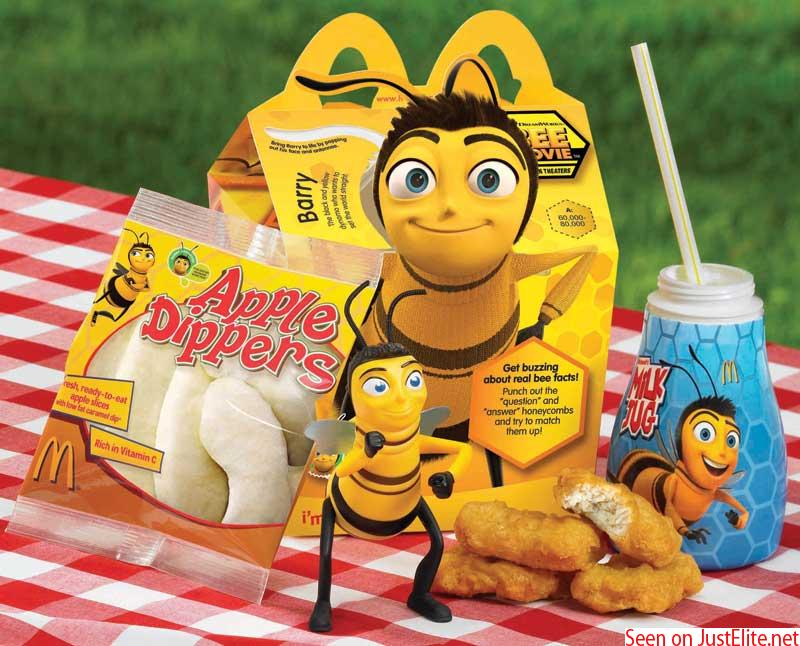
Most parents do not want their children exposed to all of this advertisement in the media, but they are still sometimes bombarded with the merchandise through methods of fast food "happy meals." By getting small versions of the toys in the happy meals, this can enlighten their kid of this new toy, or increase their need for it. Below is a picture of a McDonald's happy meal promoting the "Bee" movie. Not only will the kids want to go see this movie, but they will probably want every toy, and every piece of merchandise that promotes this movie. To increase satisfaction and business, this picture shows the "healthy" route that some fast food restaurants are following. By replacing fries with apples, and soda with milk, McDonald's is trying to make the meal healthier for kids, therefore increasing the chance of getting more business from families.


Wednesday, September 10, 2008

CRS 231 Organic and Environmental Friendly Clothing

Organic cotton, wool, silk, and hemp

To be considered organic, textiles are made from raw natural fibers like cotton, hemp, ramie, wool, and alpaca that have been grown without the use of synthetic chemical fertilizers, pesticides, growth regulators or defoliants. To say a shirt is made from a natural fiber such as cotton, does not mean that it is organic, or cannot cause health problems. Growing the natural fibers organically is only half the process to qualify as organic clothing. The manufacturing process is the second part, the part that is the most abused by toxic chemicals. Organic clothes do not receive any synthetic chemical finishes or treatments such as moth resistant, fire retardant, easy care, anti-pilling, stain resistant, or wrinkle-free. Dyes used on organic clothing is either plant or mineral derived, or of natural origin are environmentally responsible low impact dyes. No heavy metals or other harmful chemicals should be used in the dyeing process. An ethically and environmentally aware approach is extended to all aspects of the organic clothing industry.

Cotton


The benefits of choosing organic cotton over regular grown cotton are as follows:
1) Pesticide reduction, and one's personal environmental responsibility.


2) Cotton is the second highest pesticide-laden crop in the world. The use of pesticides in the growing of cotton is the leading cause for thousands of deaths per year. Making a single t-shirt from regular cotton requires 1/3 of a pound of pesticides. In West Central Africa, cotton provides employment for approximately 10 million people, and it is their only cash crop. Therefore, change may come slowly for cotton growers.

3) Organic cotton costs about twice as much to produce because it is labor-intensive and it can produce a lower yield. But instead of using pesticides, ladybugs are used to control pests, and manure is used instead of fertilizer.


Wool


Organic wool clothing and yarn provide the most natural environment for the sheep and the sheep growers, and reduce the lack of pesticide residues and synthetic chemicals next to the skin. Commercially grown wool is laden with chemicals. Then, the sheep are treated with pesticides to kill parasites. The fleece is cleaned with petroleum-based detergents. The dyes used are highly toxic and include heavy metal content. The runoff from these processes pollutes our streams, and workers exposed to these chemicals may suffer neurological damage. New Mexico is the U.S.'s largest producer of certified organic wool, representing about 80% of North American organic wool production.


Silk


Silk, a natural fiber harvested from the cocoon of the silkworm, is a wise choice for organic clothing. The mulberry tree is the silkworm’s primary food source. The major concerns with silk production are labor exploitation and the harm cause by using synthetic dyes. A better choice is dye-free raw silk, and silk which has been treated with natural, plant-based dyes.


Hemp


Hemp is the newest creation in the protest against pesticides. A naturally insect-resistant plant, hemp can yield three times the amount of fiber as cotton, with no need for pesticide use. However, it is still illegal in the U.S., but is currently grown in many countries throughout the world and then imported to the U.S.

The clothing industry is a seven trillion dollar industry worldwide. This money making industry, has been accused of worker exploitation, child labor and environmental pollution. To change these negative connotation's towards the clothing industry, the creation of organic clothing has been introduced, and is now at an increasing growing rate of 11% each year. The organic and environmental safe clothing industry is doing so well, that sales are predicted to reach three billion by the year of 2010. Therefore, it is possible to be well dressed and environmentally conscious!

Thursday, September 4, 2008

RCS 362 Brand Identity Analysis

Nike is the world's leading supplier of sports equipment and apparel in the United States. As of 2008, Nike employed over 30,000 people world-wide. The company was founded in 1962 as Blue Ribbon Sports by Bill Bowerman and Philip Knight, and the company officially became Nike, Inc. in 1978. The company takes its name from Nike, the Greek goddess of victory. Nike markets its products under its own brand as well as Nike Golf, Nike Pro, Nike +, Air Jordan, Nike Skateboarding Team Starter, and also Cole Haan, Hurley International, Umbro, and Converse. In addition to manufacturing sportswear and equipment, the company runs retail stores under the "Niketown" name. Nike sponsors many talented and successful athletes, and sports teams around the world. It's recognized trademarks of the popular "Just do it" phrase and the well known "Swoosh" logo can be found anywhere, and everywhere in stores. Nike's headquarters are near Beaverton, Oregon, and the United States, serving worldwide.


Nike's first products were track running shoes. The company currently makes shoes, jerseys, shorts, etc. for a wide range of sports including football, basketball, track and field, combat sports, tennis, golf, cross training, skateboarding, cycling, volleyball, wrestling, cheer leading, aquatic activities, auto racing, baseball, ice hockey, lacrosse, and cricket. The most recent additions to their line are the Nike 6.0 and Nike SB shoes, designed for skateboarders. Nike has recently introduced cricket shoes, called Air Zoom Yorker, designed to be thirty percent lighter than their competitors'. In 2008, Nike introduced the Air Jordan XX3, a high performance basketball shoe designed with the conservation of the environment in mind. Nike's product audience is aimed to appeal a youthful, materialistic crowd, positioned as a top performance brand. However, Nike also engineers shoes and apparel at a reasonable, discounted price at stores such as Wal-Mart under the starter brand. Nike is well known by the youth culture, hip hop culture, and urban fashion clothing.


"Nike"... when people think of this brand, the swoosh logo and "just do it" phrase comes to mind. Nike's thrilling commercials, and illustrative ad's, catches the viewer's attention, and supports the company's belief of pushing oneself to the limit, working hard to accomplish victory in sports. The thrilling and intense music, and clips of hardworking athletes in their commercials, encourages the viewer to try hard, and not give up when attempting to achieve victory and success while competing in sports. This technique is what motivates the audience in their ads, and commercials on TV.


The Nike brand stands for strength and endurance, what it takes to win and succeed in sports. For this reason, black and white are Nike's trademark colors. The colors are bold and exact opposites of one another, with the white swoosh symbol automatically popping out to the buyer against the black background, and catching their attention. This color contrast looks bold, and makes the buyer feel powerful. Therefore the buyer wants to wear the logo to feel in charge, which is a key component of having confidence when competing in sports. A Nike buyer is one who likes and wants the comfort and support provided by the shoes and sports wear, and will spend money on this brand for its reliance and strong built or composition in it's design.

CRS 231 My Favorite Designer and Why?- Katherine Norkus


"The tones of gray, pale turquoise and pink will prevail."


"I have designed flower women."
Christian Dior


About The Designer:
Christian Dior was born on January 21, 1905 in Granville, a town on the Normandy coast in France. Dior was the second of five children, son of Alandre Lous Maurice Dior; a wealthy fertiliser and chemicals manufacturer. Dior wanted to become an architect, but his family pushed him to obtain a diplomatic career, therefore he enrolled at the Ecole des Sciences Politiques in Paris. In 1928, Christian Dior followed his heart, abandoning his diplomatic career. His father gave him money to open an art gallery, under the conditions that their family name did not appear over the door. In 1931, Christian Dior's brother and mother died, leading to a collapse in the family business, and the closing of his art gallery. Dior there after, made a living by selling fashion sketches to haute couture houses. He received a job as an assistant to the couturier, Robert Piquet, and after World War II ended, Dior went to live with his family on a farm until he was offered a job by couturier Lucien Lelong. Dior spent the rest of the war dressing the wives of Nazi officers and French collaborators.
The New Look:
In the spring of 1947, Dior had success when he joined with Marcel Boussac, and opened the House of Dior featuring his first collection the "New Look," inspired by his mother. The name of the line was originally called "Corolle," but the title "New Look" was thought of by Carmel Snow, the editor in chief of Harper's Bazaar fashion magazine. The success of the "New Look" pushed Christian Dior to the top of the French fashion industry. Dior's first couture show was presented on February 12, 1947. His silhouettes featured the use of long, full skirts, tiny waists, padded busts, rounded shoulders, and the use of beautiful fabric. For this brilliant creation of his, the French government awarded him the Legion of Honor.
His Designs:
Christian Dior was an influential fashion designer, who changed the look of women's clothing and gave the post World War II French fashion industry, a new feminine look. Dior's designs, were more voluptuous than the boxy, fabric conserving look from the previous war. Christian Dior was an innovative designer, who worked with feminine shapes, and luxurious fabrics in his creations. His look employed bustier style bodices, hip padding, waisted corsets and petticoats that made his dresses flare out at the waist. All of these particular features gave his models a flattering curvaceous form. The hem of the skirt highlighted the calves and ankles, creating a beautiful feminine silhouette. At first, women protested his designs because the dresses covered their legs, which was something new to their time, because of the previous limitations on fabric during the war.
Fun Facts:
Christian Dior liked to spend time with Bobby, his dog. He was very shy, and left socializing to his sales director, Suzanne Luling. In every collection, Dior had a coat named "Granville" named after his birthplace. Before every show, he would consult his tarot card reader. Dior liked to use different sized models to prove and show that his clothes could fit on different sized women. In 1957, Christian Dior went to a spa in the town of Montecatini in northern Italy. Ten days later, Dior died of a heart attack from choking on a fish bone at dinner. About 2,500 people attended his funeral. Yves Saint Laurent was his successor.